
.svg)

Returns management creates operational headaches for retailers who handle returned merchandise through disconnected manual processes. Most retailers lose revenue when returned products sit in backrooms, retail processing areas or other warehouses for weeks before anyone decides whether to restock, transfer or send them back to vendors. Adobe Analytics, as reported by Tri-City Record, also projected returns will rise 8% over January 2025 trends to 15%. However, the jury is still out on exactly how severely returns will affect retail margins going forward. After all, the exact statistics cannot be assessed until all returns windows for the holiday shopping season have closed.
Regardless, retailers implementing advanced forecasting, planning and inventory control systems see 15-25% improvement in inventory optimization, and they must consider the costs of handling returns, as well. Fortunately, demand planning software adds to margin by applying the same predictive intelligence that optimizes forward inventory to returns processing.
Understanding demand planning software in retail operations
AI-based demand planning software combines advanced data analysis with machine learning algorithms to predict future customer demand across products and locations. These systems analyze historical sales data, market trends, seasonal patterns and external factors to generate statistical forecasts that drive inventory decisions. Modern demand planning platforms integrate with existing retail management systems including point-of-sale, warehouse management and enterprise resource planning software. This integration enables actual data analysis that updates demand signals as customer behavior shifts.
Forecasting software processes millions of data points to identify patterns that human planners would miss, creating collaborative forecasting workflows that combine algorithmic precision with business expertise. Supply chain teams use scenario planning capabilities to model different demand situations and optimize inventory allocation decisions before committing resources. A December 2025 report by the National Retail Federation (NRF) also found that most retailers have budgeted less than 5% of tech spend for AI, but the report goes on to note that the 59% of surveyed retailers are planning to invest in AI for managing their supply chains in 2026.
The hidden costs of poor returns management
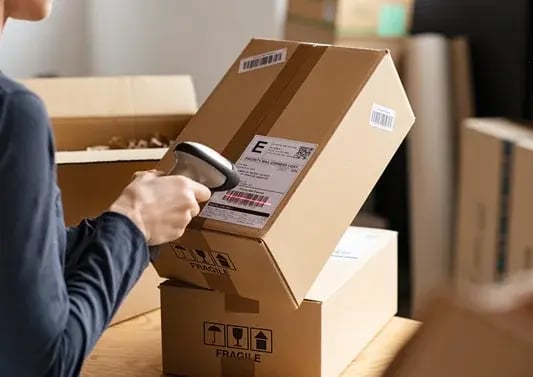 Inefficient returns processing drains retail margins through multiple cost channels that compound over time. Returned merchandise sitting in distribution centers generates storage expenses while tying up working capital that supports new inventory purchases. Many retailers discover that around one-third of returned products become unsellable due to seasonal obsolescence, damage from poor handling or waiting too long to process them back into circulation.
Customer satisfaction suffers when returns take weeks to process, leading to delayed refunds and frustrated shoppers who avoid future purchases. Labor costs multiply when warehouse staff handle the same returned items without clear processing protocols. The ripple effects extend to vendor relationships when retailers return products past agreed timeframes or without proper documentation, losing vendor support for future returns. Excess inventory from poor returns management forces markdowns that erode margins across the entire product category.
These challenges reveal why retailers need sophisticated tools that can predict and manage returns strategically.
How demand planning software transforms returns processing
Demand planning software applies predictive data analysis to returns management by analyzing historical return patterns alongside forward demand forecasts to determine optimal processing paths for returned merchandise. The system categorizes returned products based on condition, demand potential and location-specific needs rather than relying on manual inspection and decision-making.
Real-time inventory visibility becomes crucial when returned items arrive at distribution centers. The demand planning system evaluates current stock levels, pending demand and transfer opportunities across all store locations. Invent.ai reduces operational costs, streamlines processing and cuts unnecessary handling and shipping across returns and beyond.
Integration with vendor and supplier systems enables automated communication for return authorizations and documentation requirements. Meanwhile, demand sensing capabilities help identify when returned merchandise matches emerging demand trends, prioritizing those items for rapid reprocessing into available inventory.
Store-to-store transfer optimization for returned inventory
Intelligent redistribution algorithms evaluate returned merchandise against location-specific demand forecasts to identify stores with the highest probability of selling those products. The demand planning system considers factors like local customer preferences, seasonal patterns, competitive context and current inventory levels when recommending transfer destinations. This location-based demand matching ensures returned products move to markets where sales forecasting indicates strong potential rather than sitting in storage.
Transportation cost optimization balances transfer expenses against potential revenue recovery to ensure transfers generate positive returns on investment. The system recognizes seasonal and regional demand patterns to route returned winter apparel to colder markets or summer items to warmer regions. At the same time, automated transfer request generation eliminates manual coordination between locations, generating shipping documentation and tracking workflows based on demand forecasts. Machine learning capabilities improve transfer decisions over time by analyzing which recommendations produced positive sales outcomes versus continued inventory aging, and all of these processes continuously work in a never-ending cycle to protect and grow margin.
Streamlining vendor returns and repackaging operations
Automated vendor return authorization processes integrate with supplier systems to generate return merchandise authorization workflows without manual intervention. The demand planning system evaluates returned products against vendor requirements, checking factors like return timeframes, condition standards and minimum quantity thresholds before initiating return requests. Quality assessment integration helps determine which items require repackaging based on condition reports and vendor specifications.
Measurable results on retail operations
 Retailers implementing demand planning software for returns management reduce processing time for returned merchandise from 7-14 days down to 2-3 days through automated decision-making and routing. Improved inventory turnover rates result from faster reintroduction of saleable returns into active inventory rather than extended storage periods. Storage costs for returned products decrease when the system identifies optimal processing paths instead of defaulting to warehouse storage.
Enhanced vendor relationship management emerges from efficient returns processing that meets supplier requirements and maintains documentation standards. Forecast bias also decreases when the system incorporates returns data into demand forecasting models, creating more accurate predictions that account for product return patterns. The combination of faster processing and better routing decisions helps retailers maintain healthier gross margins despite returns volume.
Maximize returns value with invent.ai and AI-native demand planning software
Demand planning software is transforming returns from a cost center into a strategic advantage by applying the same AI-first, analytical rigor used for forward planning to returns management. Retailers who integrate returns processing with demand forecasting recover more value from returned merchandise while reducing operational costs and improving customer satisfaction. Invent.ai technology optimizes each returned item's path based on actual data demand signals and predictive analytics.
Connect with invent.ai to discover how demand planning software can transform your returns management operations, and recover maximum value from returned merchandise through intelligent automation and predictive analytics.